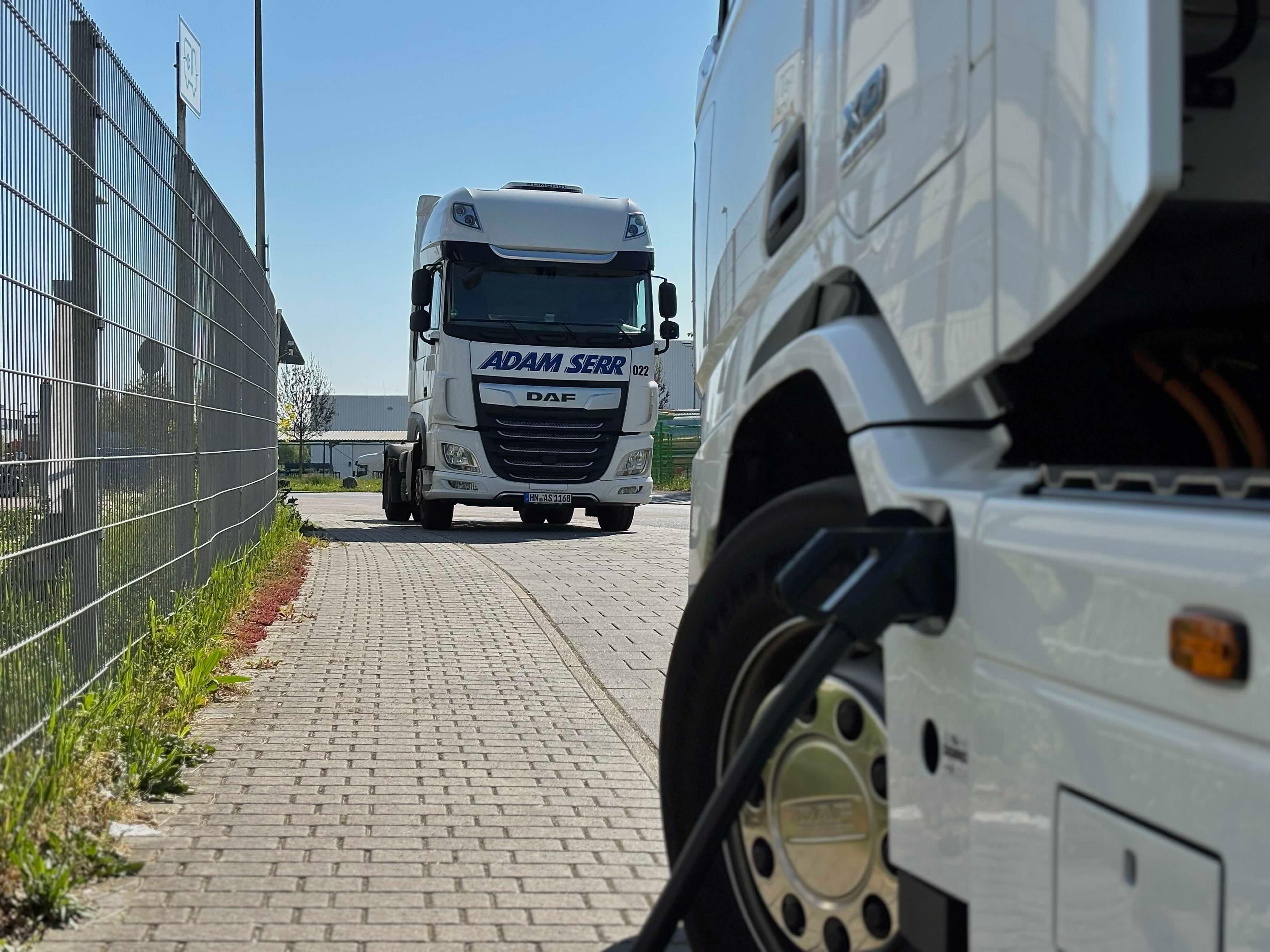
The logistics company Adam Serr has impressively demonstrats that e-mobility and perishable goods logistics are not mutually exclusive – provided the right charging infrastructure and intelligent charging management are in place.
A long-established company is undergoing major transformation: Adam Serr has impressively demonstrated that strict requirements for an uninterrupted cold chain and zero-emission transport are not mutually exclusive. With the right charging infrastructure and intelligent charging management, the company has successfully taken the first steps into e-mobility.
Sustainability as a guiding principle since 2022
Adam Serr is a regional market leader that combines tradition with a commitment to the future. Founded in 1946, the company has specialized in complex food logistics since 1974. The demands are high: its transport services cover the entire temperature-controlled range from -30 °C to +25 °C – from production right through to distribution.
The green light for the electrification of the fleet was given around four years ago, in 2022. As a recipient of the ‘Lean and Green Award’, the company has committed to reducing its CO₂ emissions by 25 per cent year on year. The decision to start electrifying the fleet was therefore the logical next step.
The final impetus for the switch to electric trucks ultimately came directly from the market: a customer not only encouraged the company to make the move towards e-mobility, but also provided its own charging infrastructure at the destination for the initial six-month trial phase. Albert Bolinth acted as the driving force behind this innovation within the company; as a long-standing assistant to the management, he played a key role in steering the transformation.
E-mobility: A high risk for temperature-sensitive food?
The switch to e-mobility in heavy goods transport meant the company was venturing into completely uncharted territory – and in an industry where mistakes are unforgivable. In food logistics, one thing matters above all else: availability. Any failure of vehicles or charging infrastructure would have immediate, disastrous consequences for the sensitive cold chain and day-to-day operations. Consequently, there was considerable concern about the potential unreliability of the new systems.
Within the team, too, there was a degree of reluctance at the outset. When Albert Bolinth presented the electrification plans, he initially met with scepticism from the team. Added to this challenge was a young, complex market.
Up to that point, there had been little practical experience, complex installation requirements (ranging from cable sizing to set-up) and, finally, the biggest external hurdle: the local grid connection. The grid operator was unable to provide the necessary capacity for large-scale fleet expansion straight away, which made intelligent management of the available energy absolutely essential.
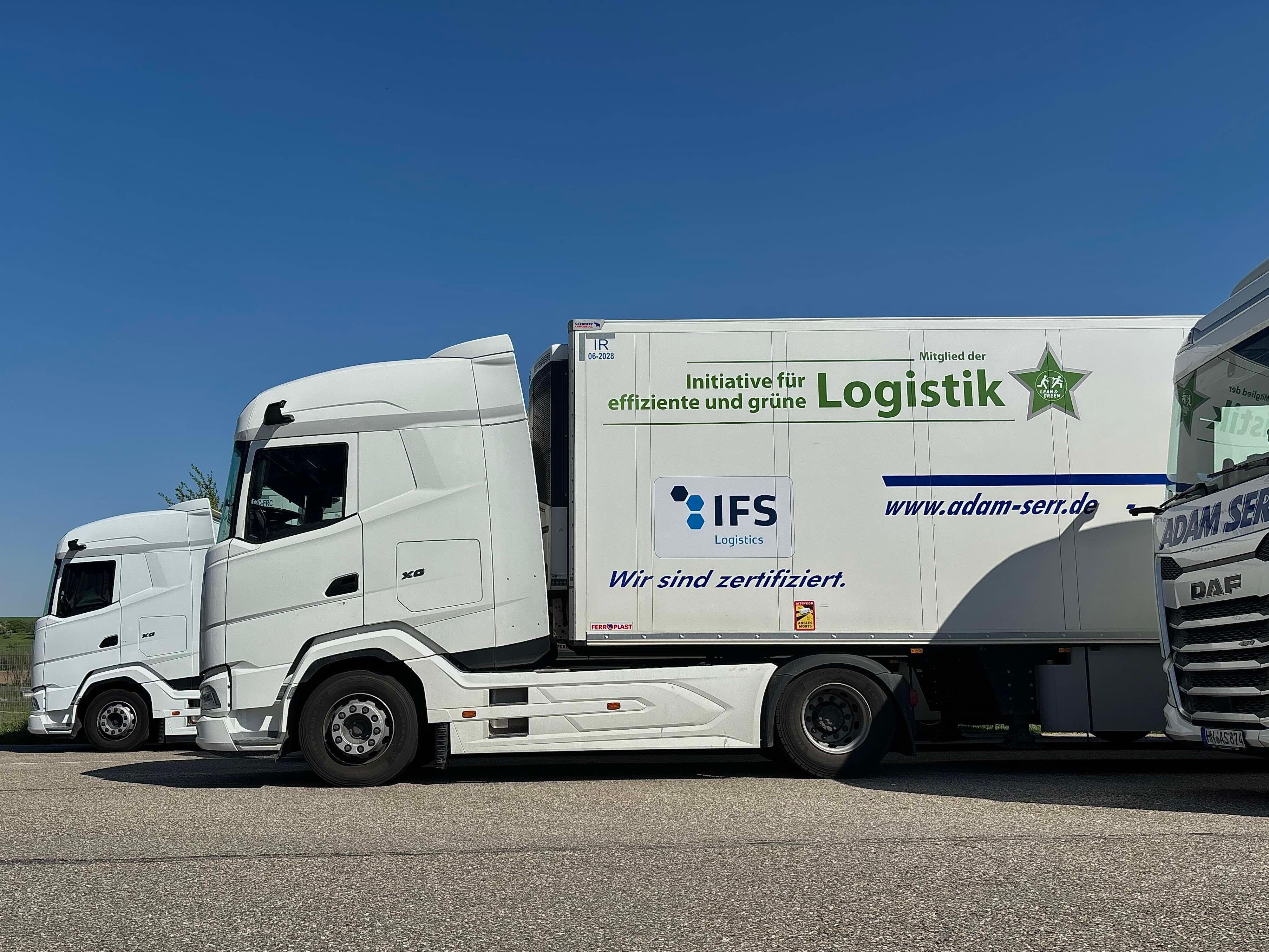
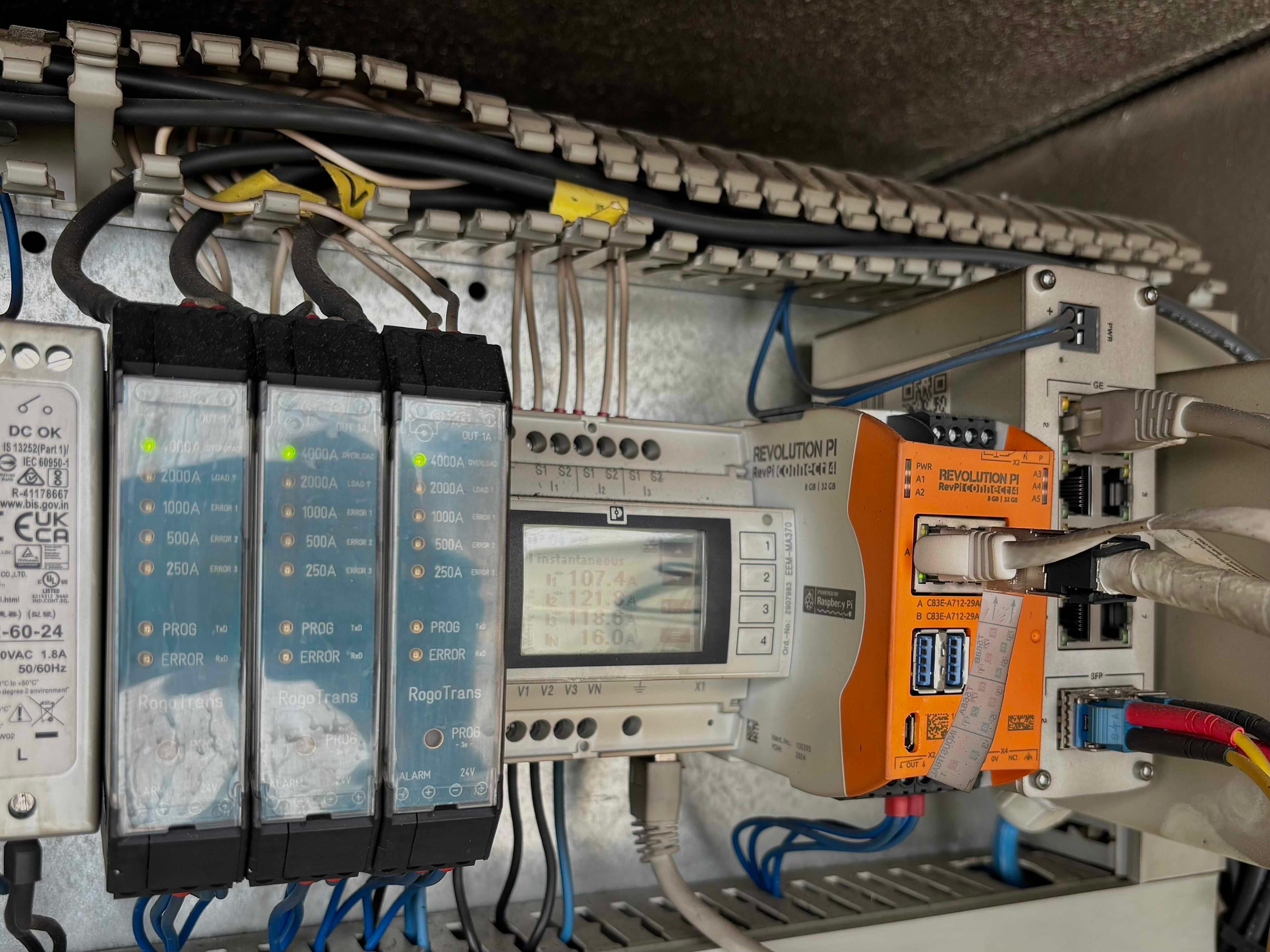
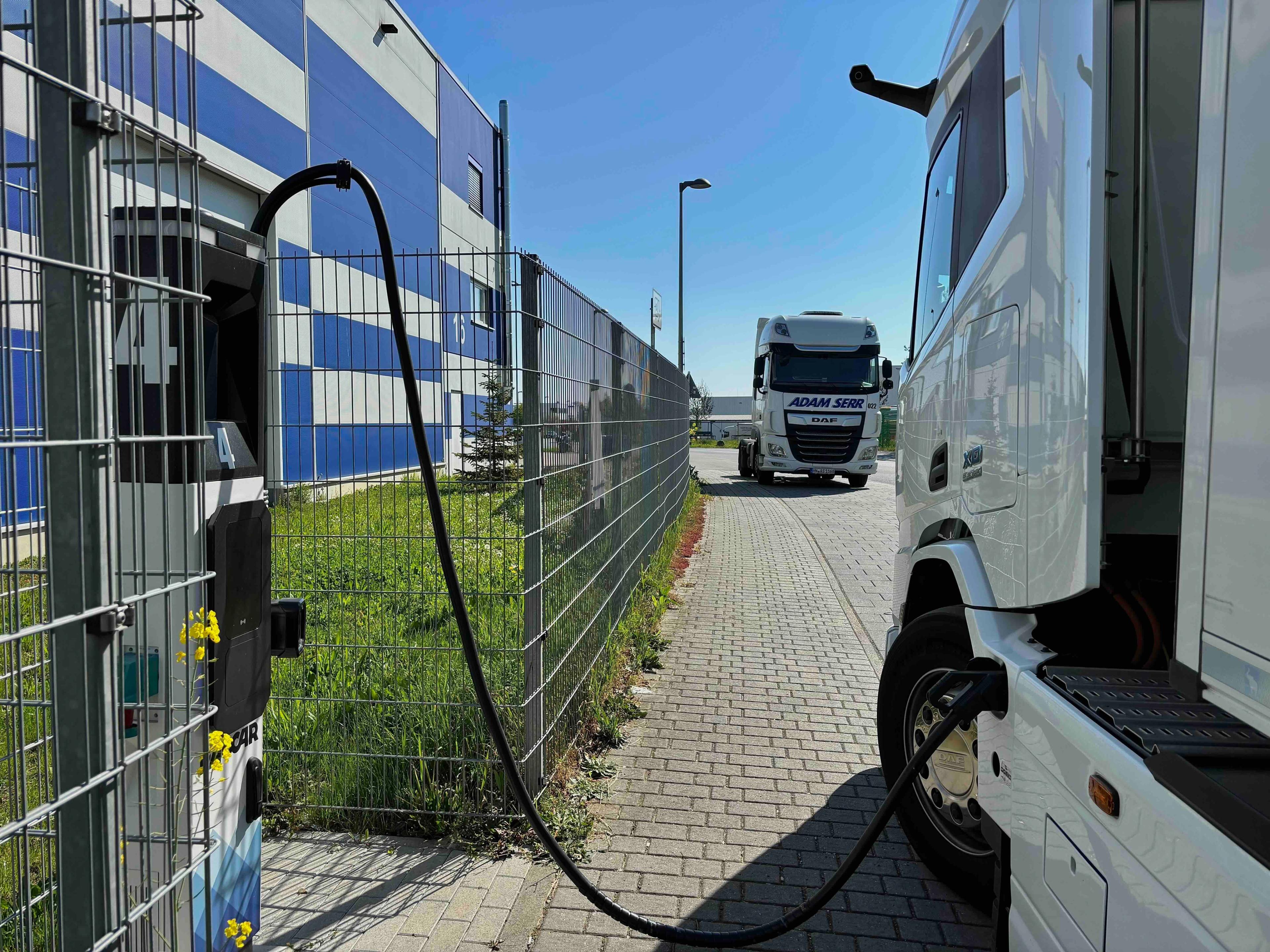
A flexible charging solution, all from a single source
To minimize risk in the face of a complex market, Adam Serr’s team strategically opted for a ‘one-stop-shop’ approach. The electric trucks and associated hardware were sourced via the in-house truck brand DAF (Paccar).
For the crucial core component – the software control system and charging management – the choice fell on ChargePilot from The Mobility House Solutions. The charging and energy management system was explicitly recommended by both Paccar and the charging point manufacturer EkoEnergetyka on the grounds that the hardware and software integrate well.
For Bolinth, two aspects in particular were decisive in choosing The Mobility House Solutions as a partner: firstly, ChargePilot’s clear and user-friendly interface; and secondly, The Mobility House Solutions’ pragmatic approach to providing quick and reliable solutions, even when faced with challenges that go beyond standard solutions. Following the initial meeting in October 2024, ChargePilot was ordered as early as November 2024, with commissioning taking place in April 2025.
The company’s own photovoltaic system, with a peak output of 500 kWp, also plays a key role in the energy strategy. Rather than simply feeding electricity into the grid, the green energy flows directly into the vehicles. Furthermore, to guarantee maximum operational reliability, a ‘safety net’ has been deliberately put in place: with charging facilities available on-site at customers’ premises as well as nearby public charging points, the logistics company has a reliable backup at all times.
Adam Serr is ready to scale up the charging solution
The pilot project has now become an integral and unobtrusive part of day-to-day operations. As with any new venture, there were some initial ‘teething problems’ with communication between the charging point and the electric trucks, but these were completely resolved within the first two months through close collaboration. Since then, the system has been running reliably and without disruption. E-mobility has been seamlessly integrated into the existing logistics system without affecting the tightly scheduled processes.
However, the greatest successes are evident not only in the technology, but also within the team and in the finances. The workforce’s initial scepticism has long since given way to enthusiasm. Once the system’s reliability had been proven in the first six months, there was a real sense of optimism, says Bolinth – today, everyone involved is thoroughly enthusiastic. The change is also paying off financially: when used correctly, the electric fleet is already on a par with diesel and can even be operated with slight economic advantages.
Following this successful pilot phase, the logistics company Adam Serr is ready to scale up and plans to expand its electric fleet as quickly as possible. Discussions are currently underway with the grid operator to implement the necessary grid connection upgrade – this is the most common bottleneck when it comes to electrification in the logistics sector.
Albert Bolinth’s final piece of advice to other logistics professionals regarding the switch is therefore a clear conclusion: "The best thing to do is to get in touch with the network operator straight away. That said, I always think: better to start today than tomorrow!"